The Aalto Works series, consisting of thirteen sites in Finland designed by Alvar, Aino and Elissa Aalto, has been inscribed on the UNESCO World Heritage List.
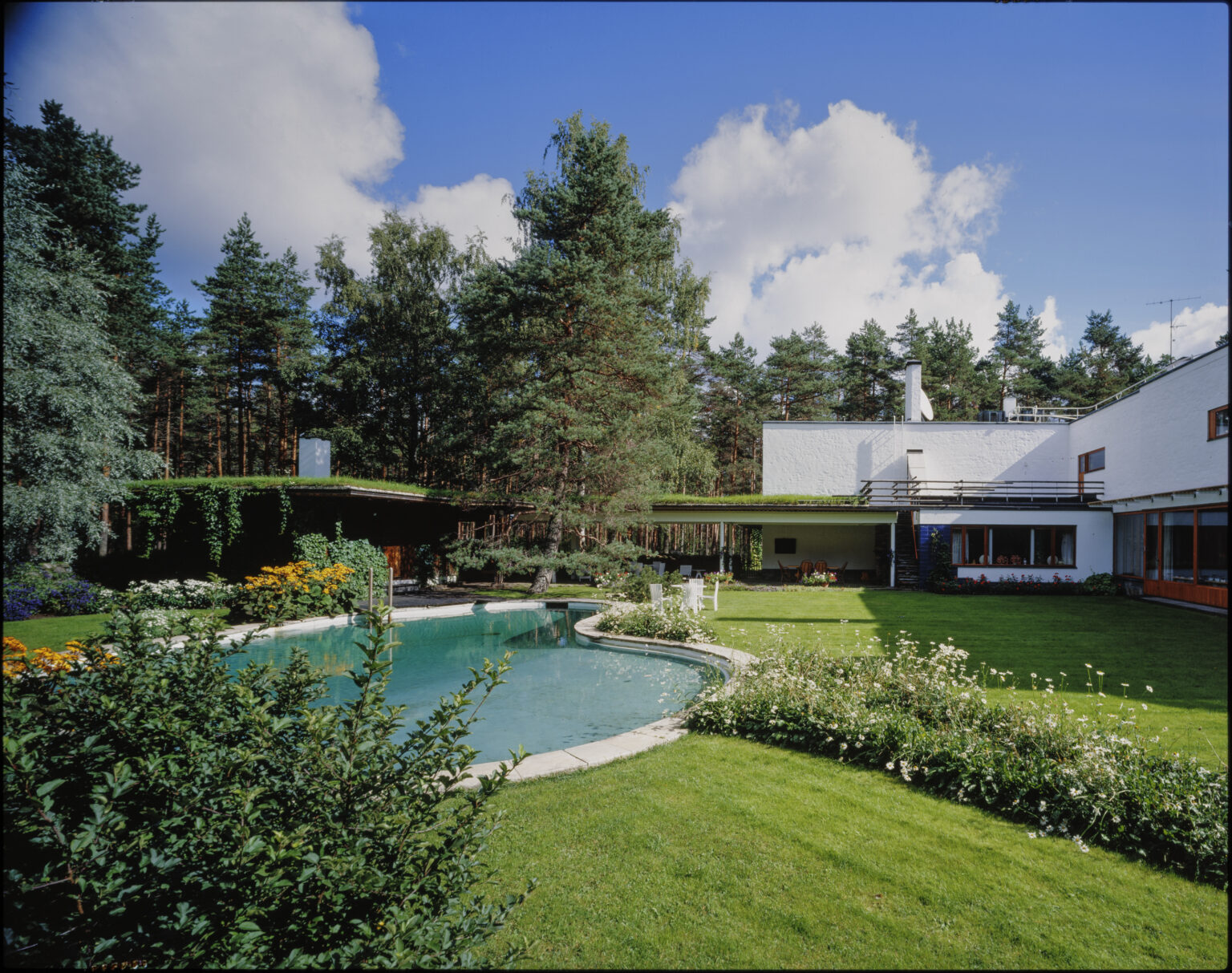
The sites in the Aalto Works series are: Paimio Sanatorium; the Sunila Pulp Mill residential area in Kotka; the Muuratsalo Experimental House; Säynätsalo Town Hall and the Aalto Campus, University of Jyväskylä, both in Jyväskylä; Seinäjoki Civic Centre; the Church of Three Crosses in Imatra; the National Pensions Institute (KELA), House of Culture, Studio Aalto, the Aalto House and Finlandia Hall in Helsinki; and Villa Mairea in Pori.
The buildings are pivotal to the construction of the Finnish welfare state in the 1920s–1970s, and are recognised as having had an impact on the development of modern architecture internationally. The Aalto Works proposal is unique from both a national and an international perspective. Read more from Alvar Aalto Foundation’s website.
Aalto’s modern architecture is characterised by a humane approach, in which buildings are settings for human life and activities. The design of the buildings puts the viewpoint of their users – residents, employees, and different communities – at the centre. The sites represent modernism, which aimed to use architecture to promote the egalitarian development of society, regardless of people’s social status.
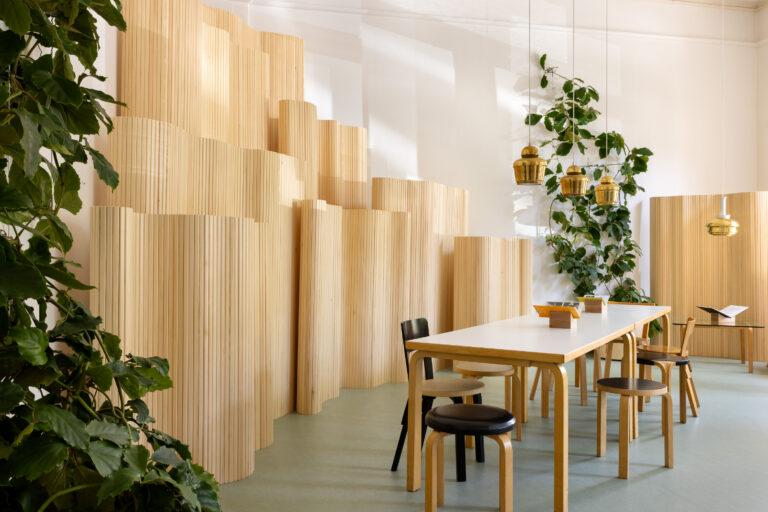
These same themes are interwoven to the Architecture & Design Museum´s exhibition Aalto Design – Shapes of Wellbeing, that focuses on the holistic wellbeing at the heart of Alvar, Aino and Elissa Aaltos’ design approach.
At the Aalto Design exhibition, visitors can explore several of the Aalto Works World Heritage sites in one place. For example, the interiors and surrounding landscape of Villa Mairea can be experienced through an immersive photographic installation.
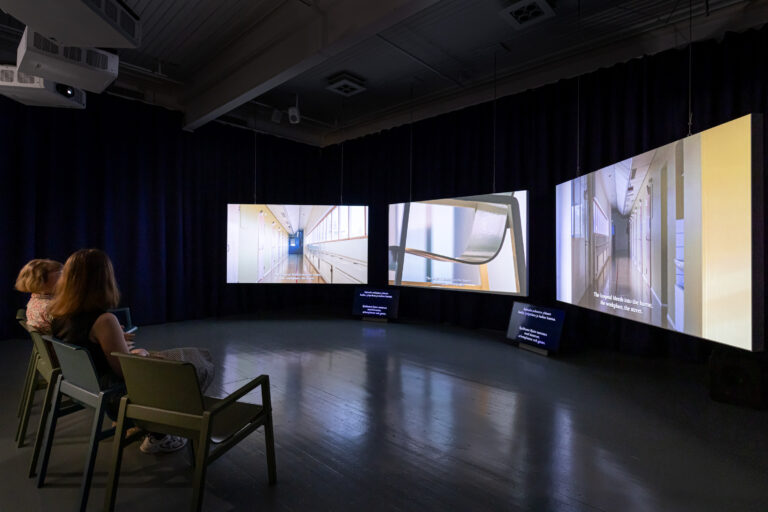
The Paimio Sanatorium is presented in the exhibition as a pivotal moment in the Aaltos’ career. The building marks a shift in their thinking, as their design approach began to move beyond purely rational efficiency towards a more sensitive architecture that placed greater emphasis on human psychology and the senses. The exhibition’s presentation of the Paimio Sanatorium is further enriched by Other Actors, a one-hour, three-channel video installation by London-based artist Ilona Sagar, which begins every hour on the hour.
The exhibition also places many of the newly inscribed World Heritage sites within the broader context of the Aaltos’ career and the evolution of their design thinking.
In addition to the Aalto Design exhibition, the Museum of Architecture and Design offers several other ways to explore the Aaltos’ work.
Pick up the book: the new Aalto Design publication expands on the exhibition
The accompanying Aalto Design publication deepens and enriches the exhibition’s exploration of the Aaltos’ design philosophy. Its lead essay is written by Eeva-Liisa Pelkonen, Professor of Architecture at Yale University. The publication also encourages readers to reflect on the role of well-being in contemporary design. Alongside the essay, it presents a selection of the Aaltos’ architectural works through photographs and texts.
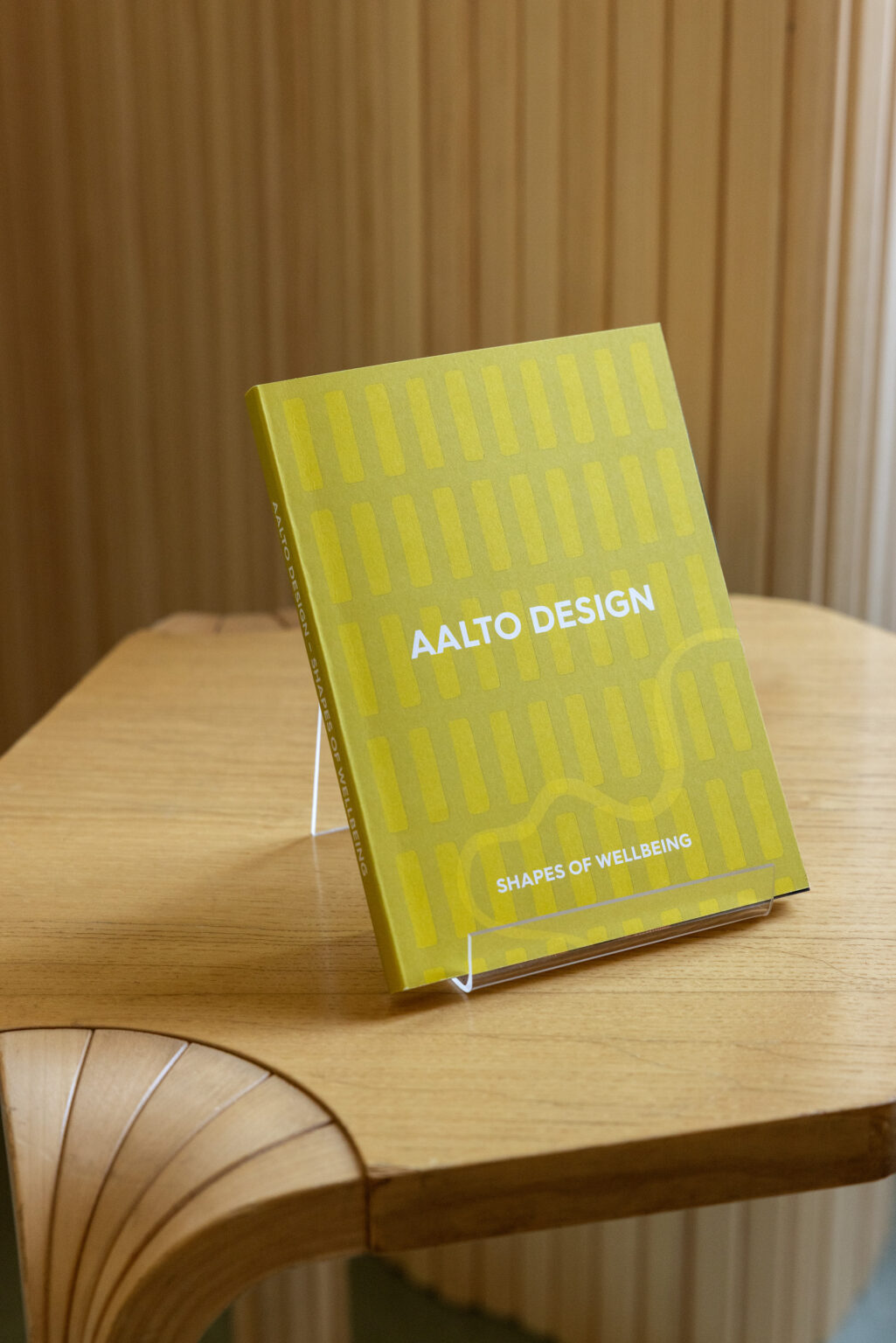
Photo: Paavo Lehtonen
Join a walking tour: Aalto in Helsinki – Light, Copper and Human-Centred Modernism
Alvar Aalto’s distinctive architectural language is an integral part of Helsinki’s cityscape. This guided walking tour introduces Aalto’s human-centred modernism through some of his most significant buildings, from Finlandia Hall to the Rautatalo (Iron House) and the Academic Bookstore. What makes Aalto’s architecture both timeless and iconic? The tour explores how architecture, materials and the human scale come together in Aalto’s Helsinki.
Open Aalto walking tours can be found in our events calendar (€15 per person). Private tours are also available for groups.