The first phase of the design competition for the new museum of architecture and design ends on 29th August, 2024. On Thursday, September 12, we will launch an online gallery showcasing the submissions from this phase, followed by talks and presentations related to the new museum. The event, taking place on the main stage of Helsinki Design Week will include compelling insights from members of the museum’s international advisory group and other experts. The day will culminate in a keynote by Paola Antonelli, MoMA’s senior curator of architecture and design, on museums as agents of change.
Time: Thursday, September 12, 2024, from 4 PM to 8 PM Location: Helsinki Design Week Main Stage Address: Paasivuorenkatu 3, Helsinki Free of charge. The programme is held in English.
PROGRAMME
Top International Speakers to Celebrate Stage 1 of the Design Competition at Helsinki Design Week
16.15 Launch of the Online Gallery for Stage 1 of the Competition for the New Museum of Architecture and Design, by Kaarina Gould
16.30 Don’t Forget to Play: Radical Practices for the New AD Museum In this quick-format series of case studies, we look into inspiring cases from around the world for the new museum and the architecture and design community in Helsinki. Moderated by Maria Budtz Sorensen, Associate Director (Insights and Strategy) of DVDL Cultural Planners, New York with speakers Liza Chong, Ervin Latimer, Linda Liukas, Johannes Suikkanen and Teemu Suviala.
17.30 A View Into Building a 21st Century Museum for Architecture & Design A panel conversation on the role of architecture, design and communities in building a new museum for the 21st century. Moderated by Kieran Long, Director of Amos Rex. Speakers: Eeva-Liisa Pelkonen and Tommi Laitio
18.30 A keynote presentation by Paola Antonelli:On Creating Change: Museums as an R&D Tool for Society Paola Antonelli, Senior Curator, Department of Architecture and Design, and Director, Research and Development at MoMA, New York, shares her experience in identifying and broadening the field of design, cultivating relationships with designers, researchers, and cross disciplinary practitioners, and engaging design directly with society and human life. We hear her reflections on how MoMA keeps alive the modern history of design and architecture, while still being a place that generates ideas and debate, and how initiatives like MoMA’s Salons and Design Emergency create change in our societies.
An open, international design competition has been launched to to find a feasible design solution and a design team for a new museum building on a site in Helsinki’s South Harbour.
The building will provide a home for the new museum of architecture and design formed through the merger of the Design Museum Helsinki and the Museum of Finnish Architecture.
The competition brief is published and the first stage of the competition opens on 15 April 2024. The competition runs in two phases, with the results being announced in September 2025.
An online competition seminar, open to all interested participants, will be held on 24 April 2024.
Three to five designs will be selected for Stage 2 of the competition, receiving an award of €50,000 euros each. In addition the jury will distribute three prize positions and two purchases totalling €150,000 at the end of the competition.
The Foundation for the Finnish Museum of Architecture and Design, Real Estate Company ADM, the City of Helsinki and SAFA the Finnish Association of Architects have launched an international, open design competition to find a design team for a new 10,050 sq m (GFA) museum building in Helsinki’s South Harbour.
The new museum of architecture and design in Helsinki, Finland, is planned to open in 2030 and will combine the Museum of Finnish Architecture and Design Museum Helsinki. These institutions were successfully merged in January 2024, and the new museum will retain and grow the staff of both its predecessors.
The central mission of the new museum will be “democratising the tools of design”, drawing on the history and present of Finnish and Nordic architecture and design to guide a programme of public activities that will look at how design thinking and skills are relevant to the challenges we face as individuals and societies in a rapidly changing world.
The newly-formed collection, focussed on Finnish architecture and design, will contain over 900,000 artefacts, including objects, correspondence, models and photographs documenting the work of internationally-famed practitioners such as Aino and Alvar Aalto, Eero Aarnio, Maija Isola, Eliel and Eero Saarinen, Paavo Tynell, and design brands such as Marimekko, Nokia and Fiskars.
The new museum is made possible through significant public and private funding. In February 2024, The Foundation for the Finnish Museum of Architecture and Design announced that it had secured €120 million in public funding, half from the City of Helsinki and half from the State of Finland, to bring this new building project forward. This is supplemented by €30 million to be raised from private donors, with a €20 million donation secured from the Jane and Aatos Erkko Foundation.
The competition is organized by the Real Estate Company ADM, owned by the City of Helsinki and the State of Finland, and the Foundation for the Finnish Museum of Architecture and Design, in collaboration with the City of Helsinki and the Finnish Association of Architects (SAFA). Strategic partners for the museum project are DVDL Cultural Planners (New York) and Haahtela Group.
An online seminar, open to all interested participants, will be held on 24 April 2024. Details and instruction on joining the seminar can be found at the competition website, alongside the competition brief.
Kaarina Gould, CEO of The Foundation for the Finnish Museum of Architecture and Design, said:
“Finland has a rich and fascinating history of design that is deeply embedded in both our national identity and our living culture. That culture is expressed fully in Helsinki – a former World Design Capital, where public policy and private enterprise have worked together to build a knowledge economy based upon high-value, innovative activities that have design thinking at their heart.”
“We want to democratise the tools of design. The new museum of architecture and design will engage the public in activities and experiences that broaden the understanding of design as a tool that empowers people to participate actively as citizen designers. Successful designs for the museum will need to embrace and advance the model of the museum as a site for active engagement with ideas and practice, as much as for the display and interpretation of artefacts.”
Mikko Aho, Chair of the competition Jury and Vice Chair of Real Estate Company ADM, said:
“Helsinki has an international reputation for architecture and design that reflects the strong belief in good design as a means for living well that is present in all Nordic societies. We’re delighted to launch this international open competition to find an architect for the new museum of architecture and design. The open competition is a strong component of the tradition of architecture in Finland that opens the commission up to exciting concepts from designers at any stage in their career – from undiscovered talent to established names.”
“This new museum will enhance Helsinki’s global profile as a capital of design by placing the subject at the heart of the urban renewal of the South Harbour, one of the city’s most significant waterfront sites. We’re delighted to bring this project forward to create social benefits, provide new employment, attract international visitors and generate commerce in Helsinki.”
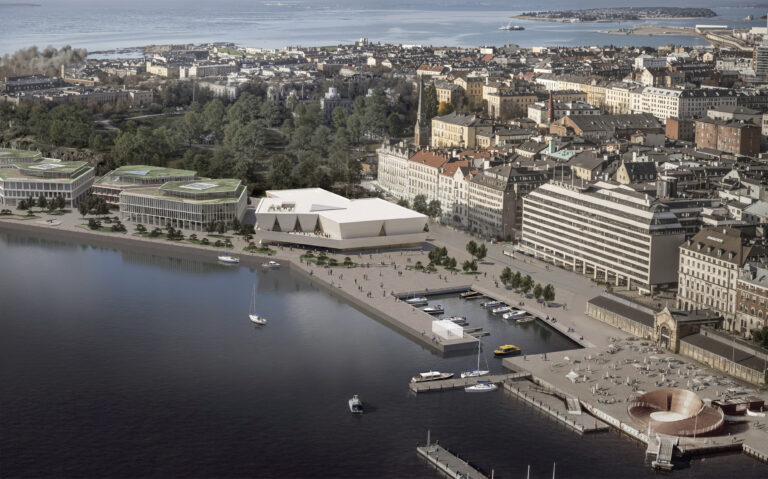
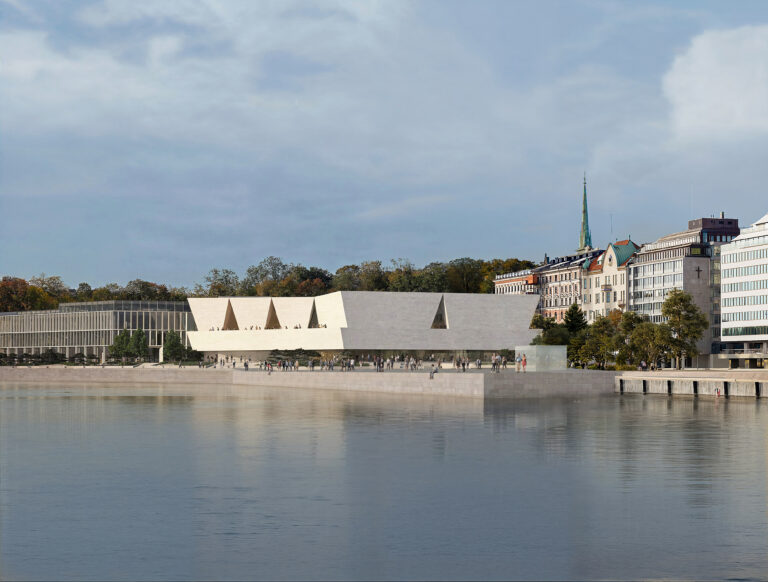
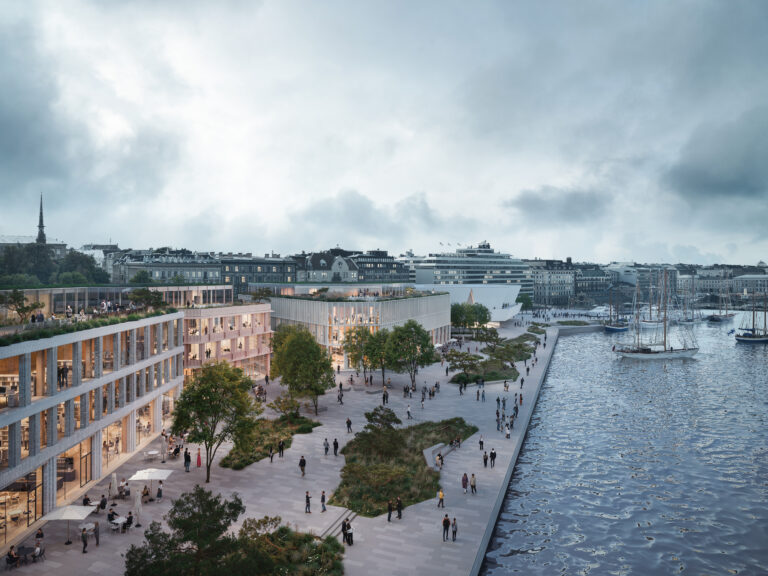
The location for the new museum is a vacant former dockside site in Helsinki’s South Harbour, a historic waterfront area in central Helsinki close to landmarks including the City’s Market Square, Orthodox and Lutheran Cathedrals, and the busy Esplanade Park. The competition site and the area around it is a designated buffer zone of the UNESCO World Heritage Site of The Suomenlinna Sea Fortress.
The competition brief calls for a new 10,050 sq m (GFA) building, with a roughly equal split in area for public and back-of-house uses. The total budget of the project is around €105 million, with construction costs of the museum not to exceed €70 million (price level Sept 2023). Construction is timetabled to complete by 2030.
In line with the core proposition of “democratising the tools of design”, the museum is envisaged as a space to host exhibition activities that will be exceptionally diverse and dynamic, with space for the display of historical collections alongside contemporary design and architecture and a wide range of media. Spaces for events, conferences, workshops, a library and a water-front café-restaurant are also a key requirement of the brief.
The open stage of the competition, Stage 1, calls for participants to keep their proposals to a conceptual level, with a request for proposals that put greater emphasis on the overall concept, rather than detailed plans and sections or photorealistic visualisations. Deliverables for Stage 1 are limited to a maximum of 12 A3 boards. The deadline for Entries to Stage 1 is 29 August 2024.
An international jury of leading architects, cultural experts and policymakers has been assembled to judge entries to the competition. At the end of Stage 1 of the competition, 3–5 entries will be selected to progress to Stage 2, where concepts will be developed into viable proposals. The entrants selected for Stage 2 of the competition will be notified in December 2024, with Stage 2 opening in February and running until the end of May 2025. The final result of the competition will be announced in September 2025.
Each team selected for Stage 2 will receive a payment of €50,000 in two instalments: €30,000 at the beginning of Stage 2 and €20,000 on completion. At the end of the competition the Jury will award prizes of €50,000, €35,000 and €25,000 for first, second and third place, with purchase options of €20,000 for the remaining two designs.
The Competition Jury:
Chair: Mikko Aho, Architect SAFA, Vice Chair of Real Estate Company ADM
Vice Chair: Juha Lemström, Architect SAFA, Chair of Real Estate Company ADM
Gus Casely-Hayford, Director, V&A East
Beatrice Galilee, Architect, Executive Director, The World Around
Kaarina Gould, CEO, Foundation for the Finnish Museum of Architecture and Design
Salla Hoppu, Architect SAFA, Leading Architect, City of Helsinki
Beate Hølmebakk, Architect, Professor, Partner, Manthey Kula Architects
Riitta Kaivosoja, Director General, Ministry of Education and Culture, Department for Art and Cultural Policy
Matti Kuittinen, Architect, Associate Professor, Aalto University
Miklu Silvanto, Designer, AD Museum Ltd. (Member of the Board)
Anni Sinnemäki, Deputy Mayor for Urban Environment, City of Helsinki
Sari Nieminen, Architect SAFA, Architectural Office Sari Nieminen
Hannu Tikka, Architect SAFA, Professor, APRT Architects
Eligibility Requirements in Stage 1 of the competition:
Stage 1 of the competition (April 15–August 29, 2024) is open to individuals and design teams with the following eligibility criteria:
The lead designer must present the following personal qualifications:
A completed university level master’s degree in architecture.
Confirm that they have the right to practise as an architect in their country of residence.
The person must be a resident of European Union countries or a resident of countries that are parties to The WTO Agreement on Government Procurement (GPA 2012).
The design teams may also welcome members from countries that do not fall under the scope of the European Union and its procurement legislation.
Helsinki City Council has approved a capital donation of 60 million euros to the foundation responsible for establishing the new national museum of architecture and design. The Finnish state will match this funding, with an additional 30 million euros to be raised from private donations. With these commitments in place, an international design competition for the new museum building will be launched in April. The new museum will sit at the heart of a new pedestrian-friendly district in Helsinki’s South Harbour.
On 14 February, Helsinki City Council approved a total capital donation of 60 million euros that will enable the Foundation for the Finnish Museum of Architecture and Design to realise its ambition of delivering a New Museum of Architecture and Design. The Finnish state confirmed its commitment to offering equivalent funding in December 2023. The foundation will additionally raise at least 30 million euros from private sources, creating a robust private funding base for the museum project.
These decisions are significant milestones in the path towards realising the long-planned new national museum of architecture and design. The museum project will now continue to advance in line with the implementation plan published by the Foundation for the Finnish Museum of Architecture and Design in January 2024. According to the target schedule, the museum could open its doors in Helsinki’s South Harbour in 2030. The museum will be operated by an entity that has been established through a merger of the Museum of Finnish Architecture and the Design Museum Helsinki.
“This new museum is set to both enhance Helsinki’s global profile and provide a new, meaningful incentive to visit Helsinki. The museum will provide a cultural heart for the rapidly developing South Harbour area and a new, inviting urban space in Helsinki’s prime maritime location. It also represents a sustainable investment that will create jobs, generate commerce, and attract tourists to Helsinki. The museum represents an investment in the future, it is exciting to see the plans now coming to fruition,” commented the Mayor of Helsinki, Juhana Vartiainen.
Design competition to launch on April 15, 2024
An international, two-stage design competition will be held to select the design of the new museum building. The competition aims to deliver a design that is architecturally unique, providing the framework for world-class museum operations and creating new, vibrant urban spaces in Helsinki’s rejuvenating South Harbour area.
The competition brief will be published on April 15, 2024, and the results will be announced in August 2025. The open, anonymous competition will be conducted in English. More details can be found on the competition website.
The competition is organised by Real Estate Company ADM – an entity owned by the City of Helsinki and the Finnish state – together with the Foundation for the Finnish Museum of Architecture and Design, and in cooperation with the Finnish Association of Architects SAFA and the City of Helsinki.
The foundations for the Design Museum and the Museum of Finnish Architecture will merge into the Foundation for the Finnish Museum of Architecture and Design on January 1, 2024. AD Museum Ltd. will take over the operations and business activities of both museums. The activities of the Museum of Finnish Architecture and the Design Museum will continue at their familiar addresses in Helsinki’s Kaartinkaupunki area.
Preparations for the new national museum of architecture and design are progressing, with the foundations for the Design Museum and the Museum of Finnish Architecture due to merge into the Foundation for the Finnish Museum of Architecture and Design at the beginning of 2024. A newly-established company, AD Museum Ltd. will work in collaboration with its parent foundation to maintain the operations of the current museums and promote the establishment of the new museum.
“The museum project is proceeding as planned. Over the coming years, the Design Museum and the Museum of Finnish Architecture will continue to operate in their current buildings as separate museum brands. However, the common goal is the establishment of the New Museum of Architecture and Design, along with the delivery of a new building in Helsinki’s Makasiiniranta area,” says Kaarina Gould, CEO of the Foundation for the Finnish Museum of Architecture and Design, and Chair of the new museum company’s board
The Foundation for the Finnish Museum of Architecture and Design has appointed experts in architecture, design, museum management, business development, communications, leadership, sustainability, and staff development to its panel of board members: Laura Aalto, Communications Director, Aalto University; Kaarina Gould, CEO, Foundation for the Finnish Museum of Architecture and Design (Chair); Jenni Reuter, Professor, Architect SAFA; Mikael Silvanto, Designer, Entrepreneur; Pauli Sivonen, Museum Director, Serlachius Museums (Vice Chair); Petri Tervonen, Business Director, Fiskars; and Katri Viippola, CEO, Association for Finnish Work. Pauli Sivonen and Mikael Silvanto have previously served on the board of the Foundation for the Finnish Museum of Architecture and Design. A staff representative will also be appointed to the board as of the beginning of 2024.
Jukka Savolainen, who has served as Director of the Design Museum since 2012 (M.A.), has been appointed as the CEO of the museum company during the transitional period as the new museum is established. Carina Jaatinen, Director of the Museum of Finnish Architecture since 2020 (M.Sc.), will be in charge of content services for the new museum company.
“I am truly delighted that we have been able to assemble a museum board whose members bring such wide ranging, top-notch expertise from various fields to their new roles. I am also thankful for the leadership teams of both merging museums, and the commitment they’ve shown to advancing our common goal in their new roles. I believe that this project aligns with many of our current objectives, further enhancing the vitality of Helsinki and raising Finland’s international profile,” explains Gould.
Museum activities continue at familiar addresses
The museum staff and operations will transition to the new museum company as part of the merger of the foundations.
“In addition to administrative integration, collaboration between the museums will be even closer than before – spanning both museum buildings, “Garden Futures: Designing with Nature,” the first joint exhibition between the two museums, is scheduled to open in November 2023,” Gould reveals.
A new national museum of architecture and design is coming to Helsinki, Finland. Foundation for the Finnish Museum of Architecture and Design, established in 2022, has composed an implementation plan for the museum, based on which the final funding decisions can be made during 2023. The new museum will merge the Museum of Finnish Architecture, the Design Museum, and their unique collections into one. A new museum building is being planned on Helsinki’s historic seafront, in the South Harbour’s Makasiiniranta district.
In November 2022, an advisory group was appointed for the New Museum of Architecture & Design.
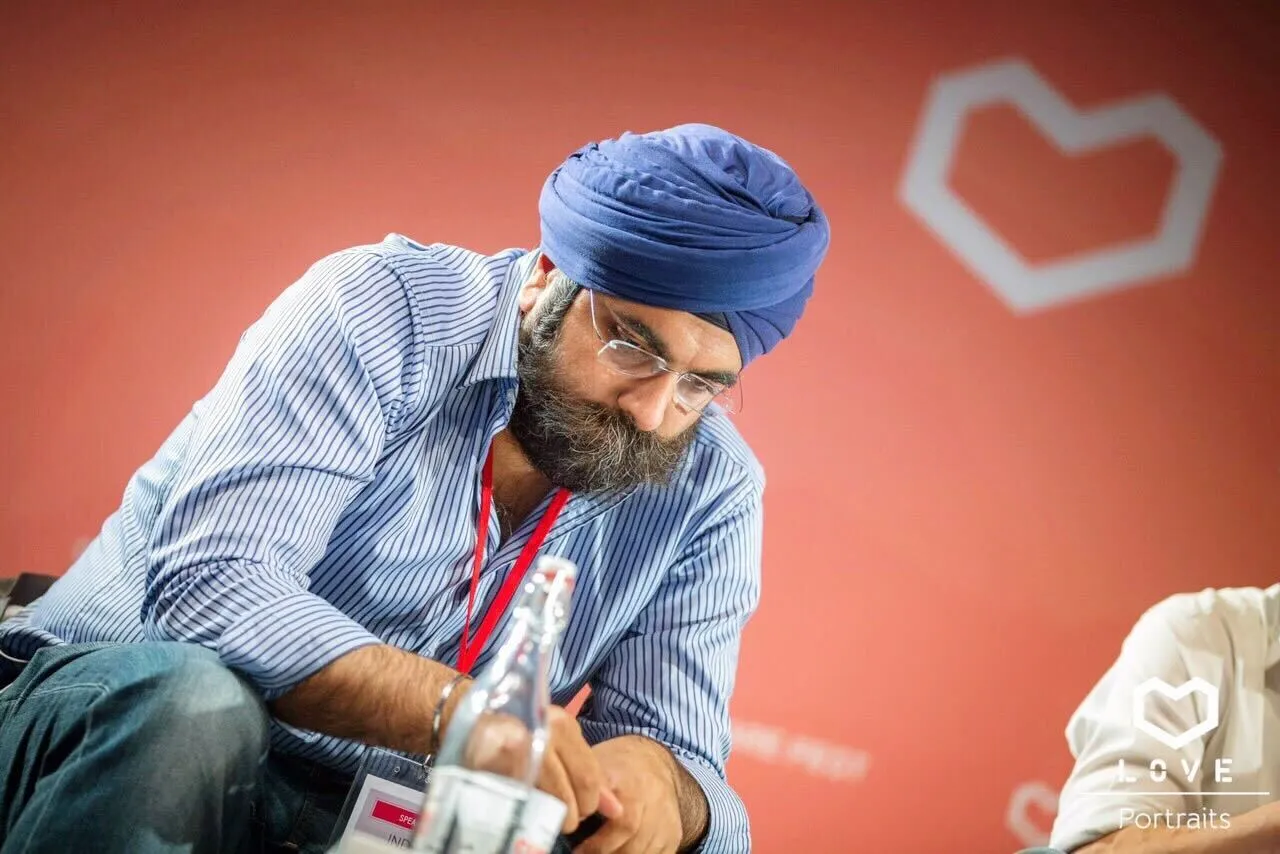
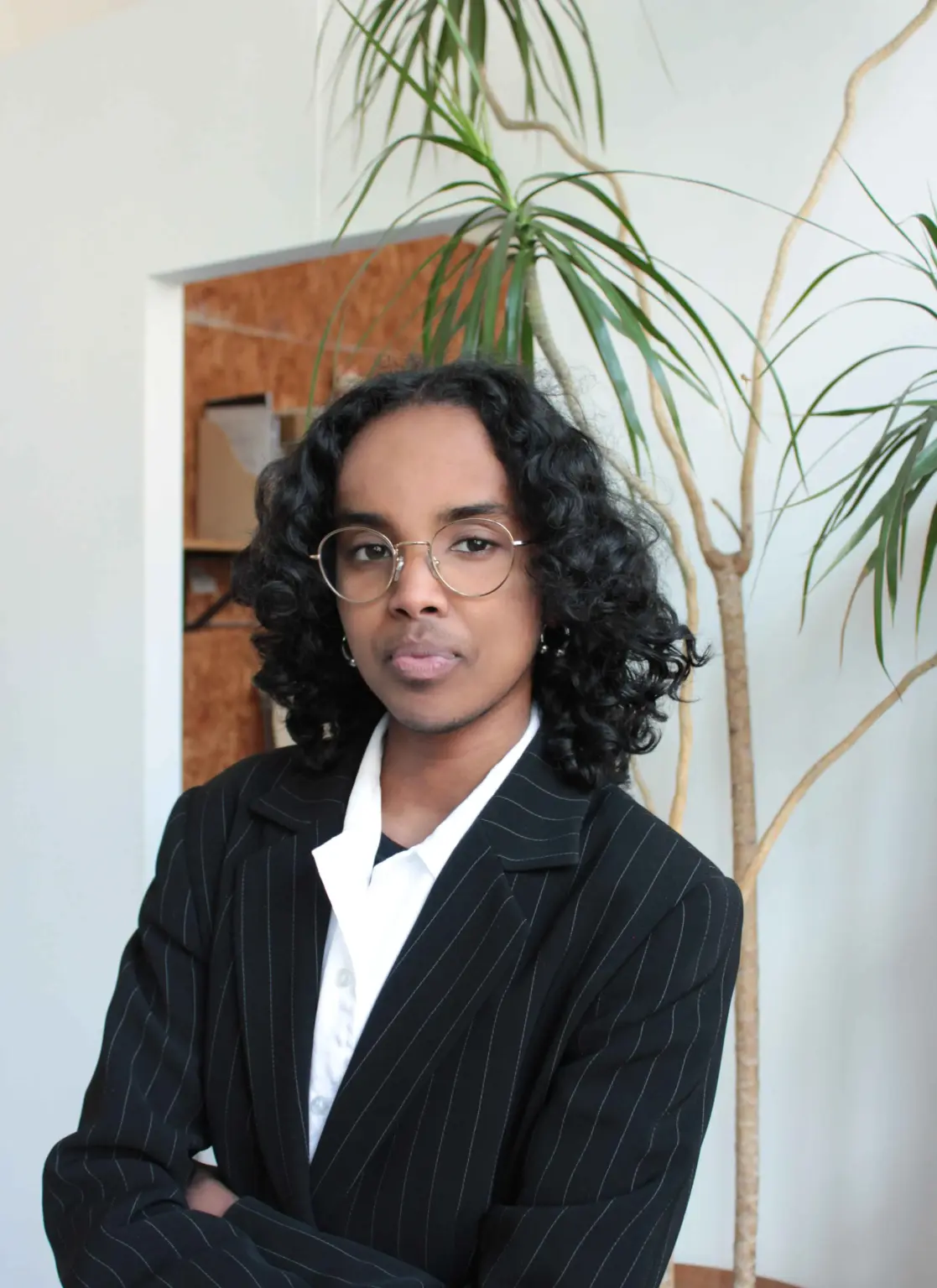
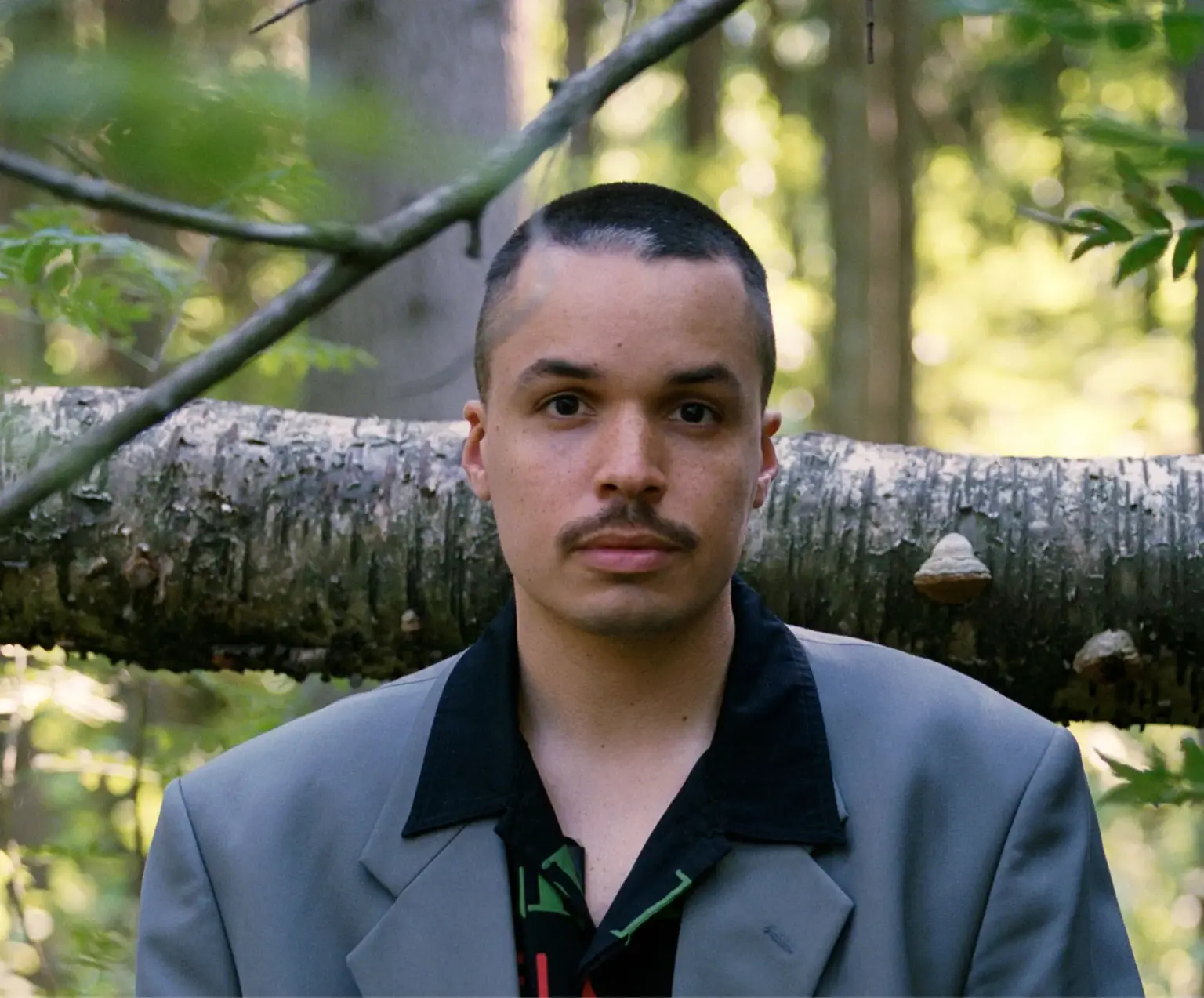
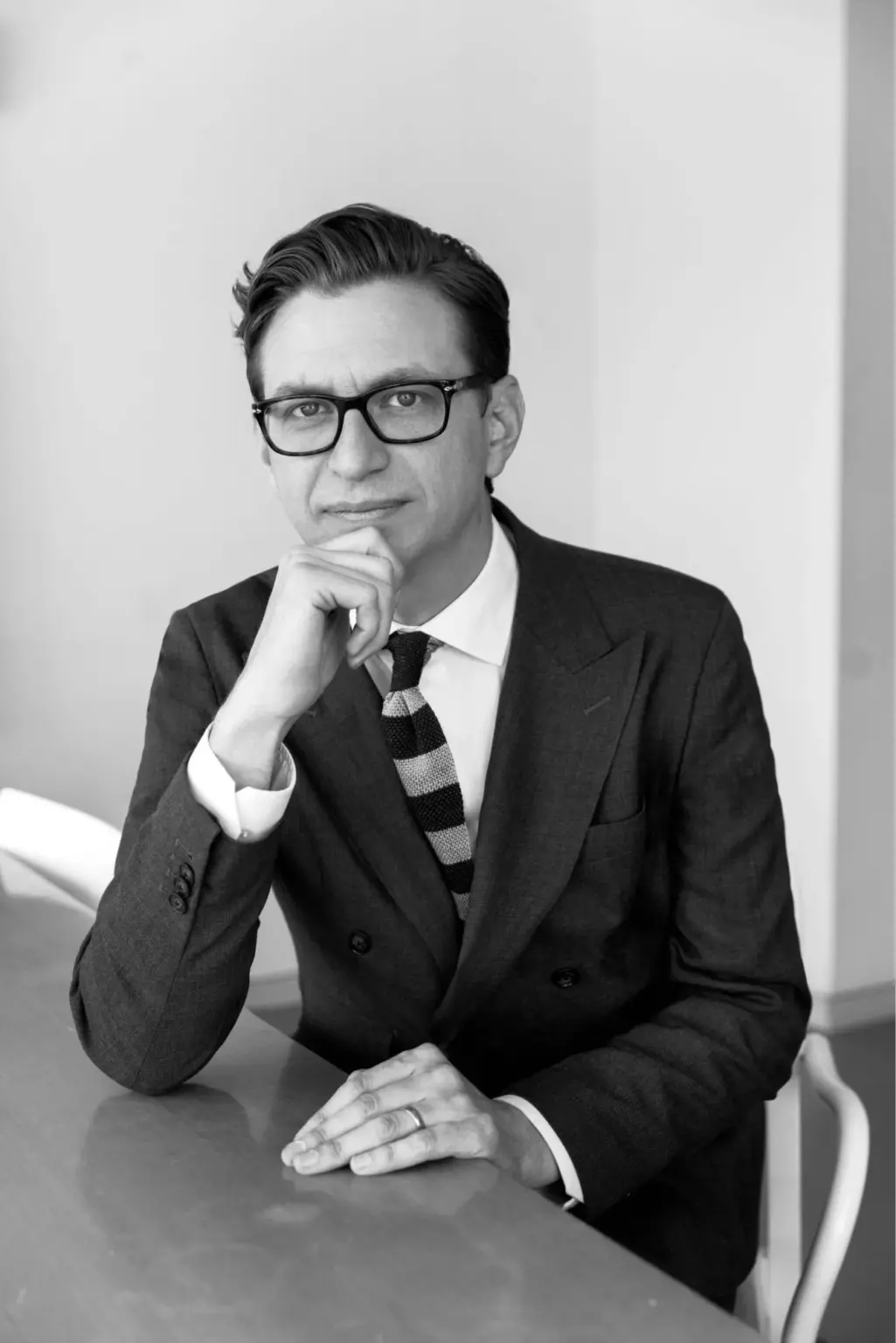
The advisory group consists of the following members: Paola Antonelli, Liza Chong, Caterina Fake, Eva Franch i Gilabert, Indy Johar, Nimco Kulmiye Hussein, Ervin Latimer, Linda Liukas, Kieran Long, Joar Nango, Héctor Noval, Eeva-Liisa Pelkonen, Johannes Suikkanen, and Teemu Suviala.
The aim of the group is to critically evaluate the project development, challenge the planning of the museum’s concept and profile, and push forward the future proofing of the new museum.
The fourteen visionary experts of the group are introduced below:
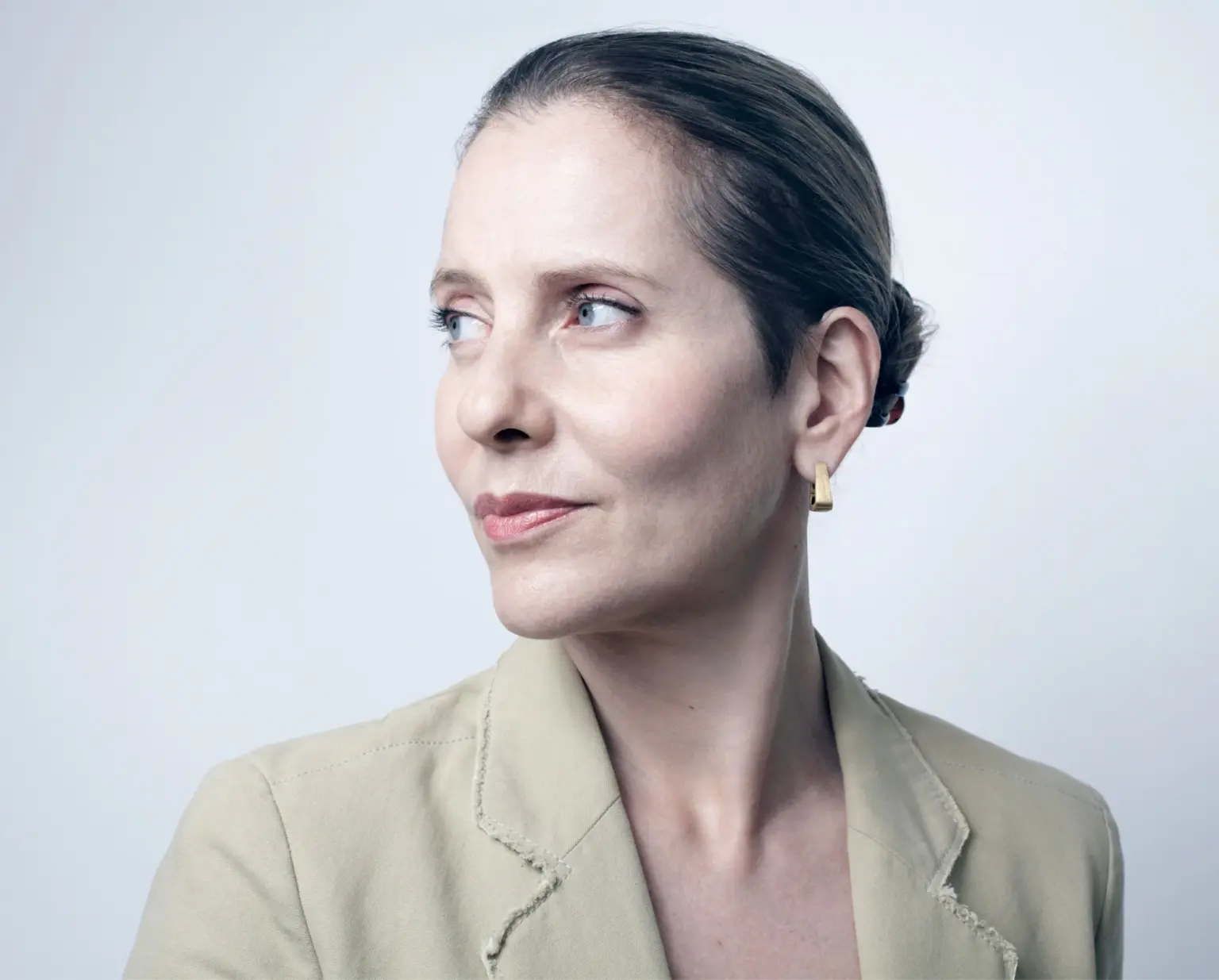
Paola Antonelli
Photo: Marton Perlaki
Paola Antonelli is Senior Curator of Architecture & Design at The Museum of Modern Art, as well as MoMA’s founding Director of Research & Development. Her goal is to promote design’s understanding, until its positive influence on the world is universally acknowledged. Her work investigates design’s impact on everyday experience, often including overlooked objects and practices, and combining design, architecture, art, science, and technology.
Among her most recent exhibitions are the XXII Triennale di Milano Broken Nature, and MoMA’s Material Ecology – on the work of architect Neri Oxman – and Never Alone, on video games and interactive design. The Instagram platform and book Design Emergency, which she co-founded with design critic Alice Rawsthorn, is an ongoing investigation on design’s power to envision a better future for all.
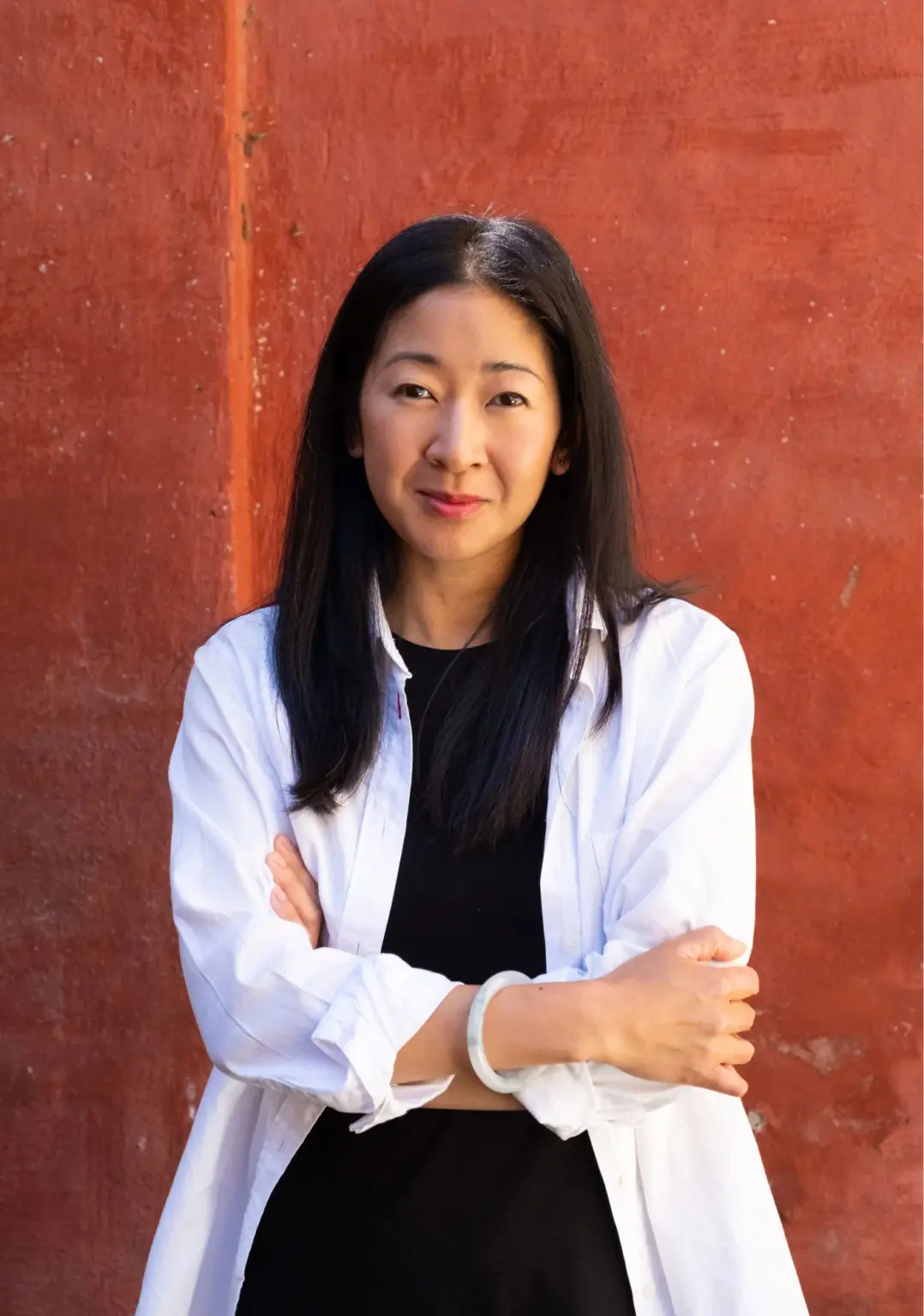
Liza Chong
Liza Chong is CEO and General Partner of Design Impact Funds, micro-VC impact funds investing in high impact companies with solutions designed to improve quality of life. The funds based in Denmark co-invests globally with investors across stages and sectors where transformational solutions are contextualised and scaled to benefit people and planet.
Liza was previously CEO of The Index Project a global non-profit advocating for sustainable design and innovation to improve life, widely known for the prestigious Index Awards. Her career spanned nearly 14 years at the organisation harnessing design-based techniques to create social and environmental impact in the Nordics, Asia, Latin America, and the US.
More recently her focus has been on connecting capital to ground-breaking designers, entrepreneurs and start-ups. An active mentor within for and non-profit, Liza builds confidence in leaders on a mission to create positive change through socially and environmentally focussed businesses.
She sits on diverse advisory boards ranging from public companies to design institutions and non-profits; they include the International Advisory Board of the Design Trust in Hong Kong to Orano SA’s Executive Stakeholder Committee in France advising the group executive’s strategy and vision on the future of nuclear energy.
A frequent speaker, panelist and educator Liza inspires a new generation of transdisciplinary talent embarking on their path to create purposeful contributions to society.
Photo: J.R. Mankoff
Caterina Fake
Caterina Fake is an investor at Yes VC and is the host of the #1 Tech Podcast Should This Exist? addressing the question of our times: how is technology impacting our humanity? And how can we build things that help us flourish as human beings? Yes VC invests in scalable social systems, brands that embody cultural movements, and founders who recognize the opportunity in the rising power and affluence of women.
Fake was co-founder at Founder Collective, and served for nearly 10 years as a Founder Partner. She was Director and Chairman of Etsy, serving on the board for nearly 10 years. She is the co-founder of Flickr, the photo sharing site and online community. Fake has received Honorary Doctorates from the Rhode Island School of Design and The New School. Time Magazine named her one of the Most Influential People in the world and she was awarded the Aenne Burda award for Creative Leadership. In 2018, she was given the Silicon Valley Visionaries award.
Caterina is an early creator of, and participant in, online communities and a long time advocate of the responsibility of entrepreneurs for the outcomes of their technologies. In her work she addresses the cultural impact of new technologies, how products can be developed for the best human outcomes and how to create environments for human interactions online. Caterina works to create cultures of innovation, creativity and civility, and believes we can all make the internet a kinder, more human place.
Eva Franch i Gilabert
Eva Franch i Gilabert is an architect, curator, and critic specialized in curatorial activism, alternative pedagogies and planetary practices. Franch is founder and co-curator of MODEL, a new annual experimental architecture festival organized by the city of Barcelona, the first event leading up to the Barcelona Architecture World Capital events and UIA congress in 2026. She is also the Head of the Future Architectures Platform at the Academy of Arts, Architecture & Design at UMPRUM in Prague.
Franch is the former Director of the AA Architectural Association School of Architecture in London and the Storefront for Art & Architecture in New York. Franch has taught at Princeton University, Columbia University GSAPP, The Cooper Union, Rice University School of Architecture, IUAV University of Venice, and SUNY Buffalo and has received numerous honours, research grants and awards. In 2014 she was the commissioner and co-curator of the US Pavilion at the Venice Architecture Biennale with the project for collective practice OfficeUS.
Franch is currently working on the project Picasso: Without Title, an exhibition of 50 paintings from the late period of Pablo Picasso renamed by 50 contemporary artists to be presented in La Casa Encendida in Madrid in 2023 as part of the 50 year celebration of the death of Pablo Picasso.
Indy Johar
Indy Johar is focused on the strategic design of new super scale civic assets for transition – specifically at the intersection of financing, contracting and governance for deeply democratic futures. Johar is co-founder of darkmatterlabs.org and of the RIBA award winning architecture and urban practice Architecture00, a founding director of open systems lab (digitising planning), seeded WikiHouse (open source housing), and Open Desk (open source furniture company).
Johar is a non-executive international Director of the BloxHub, the Nordic Hub for sustainable urbanization in Copenhagen. He held Graham Willis Visiting Professorship at Sheffield University 2016–17. Johar was also Studio Master at the Architectural Association 2019–2020, UNDP Innovation Facility Advisory Board Member 2016–20, and RIBA Trustee 2017–20. He has taught and lectured at various institutions such as the University of Bath, TU-Berlin, University College London, Princeton, Harvard, MIT and New School.
Most recently, Johar was awarded the London Design Medal for Innovation in 2022.
Photo: Victoria Bennett
Nimco Kulmiye Hussein
Nimco Kulmiye Hussein (they/them) is a curator and writer working at the intersection of research, culture, and art. Their praxis draws from postcolonial and queer-feminist perspectives, focusing actively on participatory practices that bring people together through critical, timely and meaningful narratives.
Exploring the site of new media and digital visual culture, Kulmiye Hussein facilitates innovative operational modalities and practices together with artists, creative practitioners, and arts institutions.
Graduate of Aalto University and Central Saint Martins, Kulmiye Hussein is based in London and is currently Programme Director, Society at the Finnish Institute in the UK and Ireland.
Photo: Hayley Lê
Ervin Latimer
Ervin Latimer is an award-winning fashion designer and professor of practice in fashion at Aalto University. Latimer’s creative practice revolves around questions of gender, anti-racism, queer culture, and social sustainability. His acclaimed ready-to-wear label Latimmier which he founded in 2021, challenges the ways we use garments to perform masculinity. Beyond his design responsibilities, Latimer is actively involved in various cultural initiatives in Finland. He’s the co-founder and vice-chair of Ruskeat Tytöt (Brown Girls), an anti-racist and feminist non-profit organization, and a board member of the foundation for the Finnish Cultural Institute in New York, among others.
Photo: Meeri Koutaniemi
Linda Liukas
Linda Liukas is an author, illustrator and educator from Helsinki, Finland. With her Hello Ruby children’s picture book series and philosophy, she brings a Nordic playful perspective to the sometimes serious world of computer science.
Translated into nearly 40 languages, Hello Ruby books ask: what else is there to technology education than “Learn to code”? If computer code is the Lego block of our time – a tool of creation – how do we teach curiosity, joy, and wonder to our kids?
Currently Liukas is planning a playground, in Helsinki, where the kids can learn how computers operate – without a single screen.
Photo: Elisabet Toll
Kieran Long
Kieran Long is Director of Amos Rex in Helsinki since February 2024, having previously led ArkDes, the national museum of architecture and design in Stockholm, Sweden. Long has been a writer, teacher and curator of architecture and design for more than 20 years.
His career began as a journalist, writing for newspapers and magazines, and working as editor in chief of the Architects’ Journal and the Architectural Review. He was the host of television programmes for the BBC on architectural history and the architecture critic for the Evening Standard.
In 2011–12, Long worked with David Chipperfield and led his curatorial team for the Venice Biennale of architecture. After the biennale, he joined the Victoria & Albert Museum as Keeper of Design, Architecture and Digital. Long has taught architecture at London Metropolitan University, Kingston University, and EPFL Lausanne, and design at the Royal College of Art.
Photo: Knut Åserud
Joar Nango
Joar Nango works with architectural installations that explore the boundary between architecture, design, and visual art. His work relates to questions of Indigenous identity, often through investigating contemporary architecture. Nango has explored modern Sámi spaces through numerous projects.
Nango lives and works in Áltá, Norway. His works have been exhibited internationally in large venues like Documenta (Kassel/Athens), Chicago Architectural Biennale, and National Galleries of Norway and Canada.
Nango is a founding member of the architecture collective FFB. He is currently setting up a network of Sámi architects across Sápmi through the ongoing Indigenous architecture library project Girjegumpi, which is also selected for the Nordic pavilion in the Venice biennale 2023.
Héctor Noval
Héctor Noval has been practicing at the intersection of aesthetics and interaction across different countries and cultures for over 18 years. His practice, lectures, and writing have centered on exploring the professional practice of design, the generation of meaning, and the purpose underlying our use of non-verbal languages.
Noval’s career spans roles, titles and disciplines across the entire spectrum of the business of design. After his role as Global Head of Futures with Designit, Noval is currently exploring new frames to broader the way we practice; approaching emerging economic shifts, modes of interaction and their potential to shape the cultures we live in.
Noval’s academic career includes studies in Humanities and Computer Science and a Master thesis in new narrative structures for multidimensional environments. He enjoys swells and currents as much as a good conversation.
Photo: Kari Sarkkinen
Eeva-Liisa Pelkonen
Eeva-Liisa Pelkonen is a writer, curator and teacher who teaches architectural design and history-theory at the Yale School of Architecture. In her pedagocical practice she facilitates the interplay between verbal and visual knowledge, between thinking and doing with a goal of overcoming the artificial fault line between history-theory and design teaching.
Pelkonen’s scholarly interests cover 20th Century European and American art and architecture, aesthetic theory, and history of ideas. She has written and co-edited several prize-winning books, and curated exhibitions on contemporary Austrian architecture, Alvar Aalto, Eero Saarinen, and Kevin Roche. Her most recent book Untimely Moderns: How Twentieth Century Architecture Reimagined the Past was published in 2023.
Pelkonen’s scholarly and curatorial work has been supported by Getty, the Graham Foundation, the Finnish Academy of Science and Letters, and the Austrian Ministry of Science and Research. She received Master of Architecture from Tampere University of Technology, Master of Environmental Design from Yale School of Architecture, and PhD from Columbia University.
Photo: Otso Kääriäinen
Johannes Suikkanen
Johannes Suikkanen is the co-founder of strategy consultancy Gemic where he works with social scientists, philosophers, futurists, and business strategists on a mission to solve some of the hardest societal and business questions global corporations and countries face in the 21st century.
A native of Finland, Suikkanen has a life-long interest in how global organizations can strike a delicate balance between the economic interests, societal development and the wellbeing of humans. Currently he lives in Berlin.
Kuva: Luke Fontana
Teemu Suviala
Teemu Suviala is an award-winning creative leader, with expertise spanning from the Fortune 500 corporate arena, design and lifestyle brands, and cultural and public institutions in America, Europe, and Asia.
Currently Suviala is Chief Creative Officer at global brand and design consultancy Landor & Fitch. Suviala is responsible for Landor & Fitch’s award-winning creative teams in studios across more than 20 countries worldwide, working with clients such as Apple, Netflix, Coca-Cola, LEGO and the 2032 Olympic and Paralympic Games.
Before joining Landor & Fitch Suviala worked as the Global Head of Brand Design for Reality Labs at Meta. Suviala has led creative work at brand and design agencies Collins as ECD and Wolff Olins as CD in New York. He is also a co-founder of design agencies Kokoro & Moi and Syrup Helsinki, and a partner at Helsinki-based footwear brand Tarvas.
How the New Museum of Architecture & Design in Helsinki could best serve the community of professional designers and architects? The question was presented to the panelists Liza Chong, Joseph Grima, and Zeynep Falay von Flittner. The conversation was moderated by David van der Leer.
On Friday 9th September, the Foundation for the Finnish Museum of Architecture and Design hosted an open Helsinki Design Week event “New AD Museum & Open Design Professions”.
An early-bird crowd consisting of design professionals, academics, and students gathered for a breakfast in Think Corner, a meeting place across disciplines at the University of Helsinki.
Kaarina Gould, Project Director and CEO of the Foundation for the Finnish Museum of Architecture and Design, opened the event:
“The reason we are here today is simple. We are founding a new institution, and in this day and age it is a huge responsibility, a huge challenge, and a huge opportunity. We are entering a new era, and it is time to get radical. We want this museum to be relevant for many groups in many ways, but we especially want it to be relevant for the design and architecture community. We realise it is a time for change, and change doesn’t happen without dialogue. This event today is a part of that dialogue. We want to be a part of cultivating the professions.”
“The key is that, right now, most of our focus goes into thinking about the building, but we are not just building a new building. We are not making a spatial solution, we are founding a new institution. And that question is a big challenge, which we want to discuss with you today”, Gould concluded.
After Gould, the stage was given to David van der Leer, a curator-turned-cultural-strategist who runs an agency called DVDL, based in New York and Amsterdam. DVDL has worked with the museum project for the past eight months.
Before the conversation Van der Leer introduced the panelists while they joined him on stage.
Liza Chong is originally from London, but living in Copenhagen. She is CEO of The Index Project, a non-profit organisation whose mission is to promote and mobilize design to improve life worldwide. The organisation is behind the biennial Index Award, the world-famous design award. Chong has led fundraising and global partnership initiatives that have taken The Index Project overseas to the Nordics, Asia, Latin America and the US.
Joseph Grima is an architect, writer and curator based in Milan. He is a founding partner at Space Caviar, a practice operating at the intersection of architecture, design and research. Since 2017, Grima has been Creative Director at Design Academy Eindhoven, and in the same year he co-founded Alcova, an annual design showcase in Milan. Grima was previously the editor-in-chief of Domus magazine and director of the Museum of Italian Design at Triennale Milano. He has taught and lectured widely at universities in Europe, Asia, and America.
Zeynep Falay von Flittner is an experienced design leader and entrepreneur with a mission to accelerate sustainability transitions with the power of creative practice. She is combining systems thinking, foresight and human centric design to develop new methods and approaches to support organisations to build new capabilities around sustainability transitions. Von Flittner is the founder of Falay Transition Design, the co-founder of Designer Activists for Regenerative Futures Collective, and serving in the board of Systems Change Finland.
“I often come back to Cedric Price, whose relevance is increasing by the day. He said that architects should not be thinking about building bridges, they should be asking how to get to the other side of the river. I think that is a challenge also for the museum. What is the river we are trying to cross, and what are the ways in which we can get to the other side?”
Joseph Grima
On design schools
“When I graduated 20 years ago, the mission of a design school was to create employment for the industry. Designers were supported with skills needed by the companies, so that you would get selected and add value. On the other hand, now we understand, that the companies are locked in within the market dynamics which are bad for the planetary boundaries and create systemic damage. We need new driver for design beyond market requirements.”
Zeynep Falay von Flittner
On language
“Maybe our language has to shift as well, if we want to create an inclusive, accessible environment. Museums attract a certain demographic and socio-economic background. The curation of exhibitions and knowledge has to be appealing in order to reach broader audiences.”
Liza Chong
On shared ownership
“The sense of belonging, when you discover a band or support the same football team, there is something democratizing in that. The sense of accessibility and shared ownership makes it possible to connect and engage without having to be from the same sector, industry, or background. How can one create that within the museum context?”
Liza Chong
On growth
“Growth is necessary, important, crucial – but it is also going to kill us all. That is one of the great paradoxes. I think we are rapidly coming to the awareness of the absurdity of the situation.”
Joseph Grima
On design as a tool
“I believe that design is a tool to make complexity comprehensible. When I moved to Helsinki, one of my favourite places was the egg-shaped wooden chapel in the middle of the city. There you can talk either to a priest or a social worker depending on your choice, and you can stay anonymous. Not being a religious person, I found this a perfect social service to offer in the busiest spot. I don’t know what would be the equivalent in a museum context, but it could offer similar social value with different forms, depending on the audience’s needs and preferences.”
A real estate company has been founded for the construction project of the New Museum of Architecture & Design. The company will be operational in the coming weeks.
The real estate company will be in charge of the design and development of the AD Museum construction project, including organising a design competition for the museum building. The company ownership is divided in half between the City of Helsinki and the State of Finland, the main financiers of the project.
A board of directors has been appointed to the new company. The members of the board of directors have versatile expertise and knowledge regarding the execution of large projects. Juha Lemström, Architect, has been appointed as the chair of the board of directors, and Mikko Aho, Architect, who acted as the executive director of the City of Helsinki Urban Environment Division, as the vice-chair.
The other members of the board of directors are Antti Halm, Engineer, Head of Department at the City of Helsinki Urban Environment Division, Markku Inkeroinen, MSc (Tech), Project Manager at the Ministry of Education and Culture, Miika Kotaniemi, MSc (Tech), Director of Real Estate Investment at Rakli ry, and Stuba Nikula, MA, CEO of the Helsinki Events Foundation.
The new real estate company carries out close cooperation with the Foundation for the Finnish Museum of Architecture and Design, which was established in April 2022.
The AD Museum is currently in the project planning phase. During the autumn and winter, a plan will be finalised, including a contents concept, an operating and funding model, a design brief, a plan regarding the merging of the Museum of Finnish Architecture and the Design Museum, as well as other information that is needed for a funding decision. The objective is that the main financiers of the museum would make their decision during the spring of 2023. If a positive decision is reached, the design competition for the museum building will be launched later in the same year.
The new museum building would be located in the Makasiiniranta area in the city centre of Helsinki. A plot will be formed for the museum in local detailed planning. There is an ongoing international quality and concept competition regarding Makasiiniranta. The museum building is not included in the Makasiiniranta competition, but a separate competition will be organised on it, when the funding decision has been reached.
On June 14, the newly established Foundation for the New Museum of Architecture and Design hosted an open event in Helsinki to exchange ideas and learn about the current status of the initiative. The beautiful early summer’s day drew a diverse group of enthusiasts to the light-filled Sonck Hall, along with dozens of online participants. The crowd included experts of architecture, urban planning, design, and museum field, as well as other interested stakeholders, professionals, and citizens.
“How is the New Museum of Architecture and Design doing? – It’s doing well! A new foundation has been established, and many stakeholders are committed to making this into reality”, project director and CEO of the Foundation for the Finnish Museum of Architecture and Design, Kaarina Gould phrased.
“The Foundation for the Finnish Museum of Architecture and Design that was established in May began operations at the start of June. The new cooperation agreement between the city and state also outlines the plans for founding and funding a new real estate company which, in collaboration with the foundation, will develop the building for the new museum. This is a significant new commitment between the city and the state”, Gould shared.
The aim is to build the world’s leading museum of architecture and design in Helsinki. The public debate on the topic has mainly focused on the new museum building. The question, Gould pointed out, that is equally important, is what kind of an institution is in the makings.
Two existing museums, the Museum of Finnish Architecture and the Design Museum, will eventually merge into the new museum. Both museums currently operate on premises that were not originally intended for museums, and which do not fulfil today’s requirements for a museum experience. A new museum building is needed that can meet the expectations, and offer up-to-date experiences and services for its users.
“An important point to consider is how the new museum will serve as a platform for further development in the fields of architecture and design. From the viewpoint of sustainability, the core question is how to build up an organisation that is truly inclusive. This cannot be a feature sought outside, it must come from within. When considering who it is that receives an education in these fields, we encounter major structural questions”, Gould concluded her opening words.
An invitation “to just drop in – and experience”
Four professionals from various fields took part in the panel discussion at the event: curator and writer Nimco Kulmiye Hussein; entrepreneur, journalist, and project manager at Finnish Design Info, Katja Lindroos; Helsinki Philharmonic Orchestra’s general manager Aleksi Malmberg, who has served as chair of the City of Helsinki’s Arts and Culture Vision Committee; and the vice president of the Finnish Association of Architects (SAFA) Inari Virkkala.
The panellists contemplated the opportunities and desired focus points of the new museum from several angles. The discussion ranged from name proposals for the new museum to the networks that should be built around it. The panellists were presented with questions and comments both live and online.
The panellists, as well as the other participants, hoped to see the museum as a pacemaker for the fields of design and architecture in terms of content and quality, with an openness to as many audiences as possible. The world’s best museum should be developed through the best possible process.
“When entering the field of design, a global approach becomes mandatory almost immediately. The Finnish market is small. We can’t begin from an idea of our own excellence. Instead, we need to be able to present what we feel is important. There is an exciting difference at play, because when we highlight questions we see as crucial, we are inviting others to join. At the moment, we don’t yet possess the tools for the kind of international communication that would both be interactive in the truest sense, as well as inviting and welcoming”, Katja Lindroos formulated on the museum’s opportunity to enable impact on the design fields in Finland.
“I like to think that a museum should consider five important points from the visitor’s perspective – that you can be impressed, enjoy, learn, participate, and share”, Aleksi Malmberg summed up.
The panellists felt that openness and interactivity were especially relevant aspects to take into account within each step of the initiative. Architecture and design are topics that influence everyone, and this notion needs to become visible in the new museum. Solutions should still be processed through national and international networks.
“Social media discussions surrounding architecture and urban planning are often deconstructive. Could the museum bring in a certain depth through expertise? Could the museum be a mindful arena for discussions on architecture and urban planning?” Inari Virkkala asked.
“Let’s consider the museum’s spaces and events in a way that they are open and considerate. You don’t need to know anything when you come to the museum. You can just come by, wonder and look around, that would be a good starting point. To just drop in – and experience”, Nimco Kulmiye Hussein suggested.
As the event proceeded, other participants also took the opportunity to share their thoughts. Various viewpoints were raised: aims of carbon neutrality, novel pedagogical approaches, the museum as an accelerator for architecture and design… And the importance of craft and making things by hand to be included in the concept. At the end, there were reminders of the long traditions of current museums, and teachings that they can offer. And surely Alvar Aalto was mentioned.
The State of Finland and City of Helsinki have established a foundation for the new Museum of Architecture and Design. The nine members appointed to the Board of Directors of the Foundation for the Finnish Museum of Architecture and Design have broad expertise in financing, asset management, law, investments, activities of foundations, fields of design and architecture and work done by museums.
The Foundation for the Finnish Museum of Architecture and Design was established in Helsinki on 28 April 2022. The Charter of the Foundation was signed by Minister of Science and Culture Antti Kurvinen, Mayor of Helsinki Juhana Vartiainen, Permanent Secretary of the Ministry of Education and Culture Anita Lehikoinen and City Manager of Helsinki Sami Sarvilinna.
The mission of the Foundation is to establish a new Museum of Architecture and Design of a high international standard. The new museum building will be located in Helsinki South Harbour. The Foundation is responsible for the fundraising for the museum and manages the museum’s capital. Once the work on setting up the new museum has been completed, the present Museum of Finnish Architecture and Design Museum and their collections will merge into the Foundation that was now set up.
Timo Laitinen, Director General of the State Treasury, was appointed as the Chair of the Board of Directors of the Foundation for Finnish Museum of Architecture and Design. He has also chaired the steering group of the museum project since spring 2021.
The members of the Board of Directors of the Foundation are Architect Mikko Aho, Managing Director of Föreningen Konstsamfundet Stefan Björkman, Board Professional Anne Korkiakoski, Architect Juha Lemström, Permanent Under-Secretary of the Ministry of Finance Leena Mörttinen, Chief Design Officer of Bang & Olufsen Miklu Silvanto, Director of the Serlachius Museums Pauli Sivonen and Professor of Strategic Design of the Aalto University Anna Valtonen.
“I am very glad that the Museum of Architecture and Design has now taken a major step forward. The progress of this museum project creates faith in a better future and in culture as a resource that invigorates and reforms society.”
Antti Kurvinen, Minister of Science and Culture
“Our aim is to build the world’s best Museum of Architecture and Design that inspires to look at the world in a new way. This museum project will make Helsinki even more attractive internationally, and I am extremely happy that the project is now proceeding as planned.”
Juhana Vartiainen, Mayor of Helsinki
“It is a great honour to start leading this historical project. With the group of experts appointed to the Board of Directors of the Foundation we wish to create the best possible conditions for the museum to operate in the future in a way that is economically, ecologically and culturally sustainable. The world is changing fast and it encourages us to seek bold and responsible solutions.”
Timo Laitinen, Chair of the Foundation for the Finnish Museum of Architecture and Design
Aim to create a visionary museum of the future
The new building planned for the museum would be located in the South Harbour of Helsinki as part of the more extensive development project concerning Makasiiniranta. An international quality and concept contest is currently underway on developing the area. In this contest a site will be reserved for the museum, but it does not include the design of the museum building, for which a separate architecture contest will be organised in due course.
During the year 2022, an international advisor group will be formed to participate in the planning process. The advisor group aims to support the high level of ambition in the project concerning the international role and relevance of the new museum. A multidisciplinary group of international experts in the areas of culture, digitalization, and various fields of design, will be invited as advisors.
A steering group of fifteen experts is guiding and supporting the museum project’s progress. The steering group is chaired by Timo Laitinen, director general of the State Treasury of Finland. In his interview, Timo shares news on what has happened since the spring and what he is expecting from the year ahead.
Hi Timo, could you tell us something about yourself, who are you?
Deep down, I see myself as a servant to society. I have a long history of management positions, and, since 2008, I have worked as the director general of the State Treasury. Before joining the State Treasury in 2003 I spent 20 years with insurance company Pohjola and a few years as the managing director of consulting company Talent Partners. I’m a lawyer by training. In addition to the position of trust related to this museum project, I serve as chair of the Metsähallitus Board of Directors as well as the chair of the State’s education and development centre HAUS.
Outside my duties, I mostly spend my time in nature, providing food for my family and friends. I’m a fishing enthusiast, first and foremost, but I also enjoy foraging for wild mushrooms! The sauna is my meditation place and I swim in open waters all year round.
In spring 2021, you were invited to chair of the steering group for the new architecture and design museum project. What did you think when you were asked to accept this position?
At first, I was surprised, nearly flabbergasted. Why me? I was aware of the project, of course, but I was not up to date with its progress at the time. After mulling it over, I decided that this was an opportunity I really wanted to take. I am a curious person and interested in learning new things, and I believe the new museum will benefit the whole of society. I am not a professional of architecture or design, but I believe I can bring plenty of management experience to this project. I also believe that my knowledge of the public sector’s operating models will benefit the project.
What has happened since spring?
On a personal level, I have gotten to know a massive number of new people, which has been especially rewarding. In addition to this, we have built a way of working between the steering group and the project team. The steering group is quite large in size and features a great deal of expertise from different fields. The steering group’s role is to help and support the project to succeed. Thinking what would be the best way to create as much added value for the project as possible, we came to the conclusion that sitting in monthly meetings would not be enough, that work is also needed outside of these. Now, the steering group has been divided into different sections focusing on the various sectors of the museum project, such as finance, construction, and the phenomena around the museum. I believe this has proven to be a good working method.
What are you expecting from the next stages of the project?
The goal and the expectation is, naturally, that in about twelve months we will have an extensive review of many of the related matters, even complex ones. This means that the next year will mainly consist of quiet review work that is not usually visible to the public. This project has a wide range of factors that need to be covered, from zoning to the operations of the new museum as well as the merger of the two current museums. So, the work mostly consists of collecting information and putting it together, and everything is actually connected to everything. There is no decision for implementing the museum yet, so now we are focusing on reviewing how and with what resources that would be possible. Our ambition level is very high; we now have an amazing opportunity that practically requires us to break some records. It is very possible, but all scenarios are still on the table.
What do architecture and design mean to you, personally?
Even though the State Treasury maintains systems that are part of all our daily lives and, thus, is a notable buyer of service design and a manager of design processes, I personally am not an expert in either of these fields and have a similar approach to them to many other Finnish consumers. I’m a practical person and I believe that if something works well, it is also good architecture and well designed. Over the last six months, my sensitivity to the subject has clearly increased, however. I read every article and listen to all the news pieces that have to do with architecture and design, which means that I keep a much closer eye on the fields than I used to. Naturally, this has brought amazing new content to my life, and I have learned a great deal.